Eating balanced meals is essential for maintaining good health, but planning them can sometimes feel overwhelming. Between busy schedules, picky eaters, and countless food choices, it’s easy to get stressed. The good news is that with some simple strategies, you can create nutritious, balanced meals without the hassle. In this post, we’ll walk you through practical steps to plan meals that are both healthy and enjoyable.
Why Balanced Meals Matter
Balanced meals provide your body with the right mix of nutrients it needs to function well. This usually means incorporating:
– Proteins like lean meats, beans, or tofu for muscle repair
– Carbohydrates such as whole grains and starchy vegetables for energy
– Healthy fats from sources like avocados, nuts, or olive oil to support brain function
– Fruits and vegetables for vitamins, minerals, and fiber
Eating a variety of these food groups helps maintain energy levels, supports digestion, and keeps you feeling satisfied.
Step 1: Keep It Simple and Flexible
One of the best ways to reduce mealtime stress is to avoid overcomplicating your meal plans. You don’t need to follow strict rules or complicated recipes every day. Instead:
– Focus on familiar ingredients you enjoy.
– Plan meals that can be easily adjusted, like stir-fries or grain bowls.
– Allow for leftovers to save time on busy days.
Remember, balanced eating is about consistency over time, not perfection.
Step 2: Create a Weekly Meal Plan
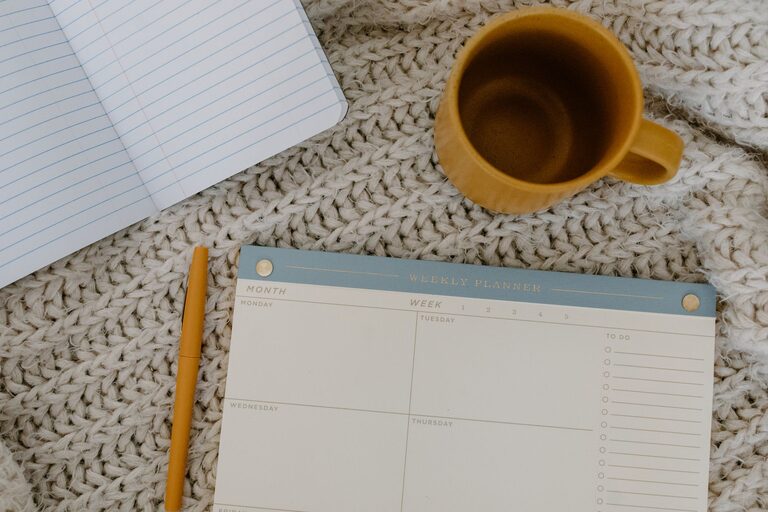
Planning your meals at the start of each week can save time and reduce daily decision fatigue. Here’s how to get started:
- **Check your schedule:** Note days when you need quick meals or have more time to cook.
- **Choose your protein sources:** Aim to include a mix of plant-based and animal proteins if you eat them.
- **Pick your grains and starches:** Opt for whole grains like brown rice, quinoa, or whole-wheat pasta.
- **Select vegetables and fruits:** Incorporate a variety of colors and types for maximum nutrients.
- **Plan for snacks:** Include healthy options like nuts, yogurt, or fresh fruit.
Jot down your ideas in a notebook or use a digital app. This plan will guide your grocery shopping and keep you organized.
Step 3: Master Grocery Shopping
With a clear meal plan, shopping becomes less stressful:
– Make a categorized list: Organize by produce, dairy, grains, proteins, and pantry items.
– Buy in bulk: Staples like rice, beans, and frozen vegetables can be stored and used over time.
– Choose versatile ingredients: Items like spinach, tomatoes, and chicken breasts can be used in multiple meals.
– Don’t shop hungry: It helps you avoid impulse buys.
Stocking your kitchen with staples means you’re always ready to prepare balanced meals.
Step 4: Prepare Ingredients Ahead of Time
Meal prep can save you precious time during busy weekdays. Consider these tips:
– Wash and chop vegetables as soon as you get home from shopping.
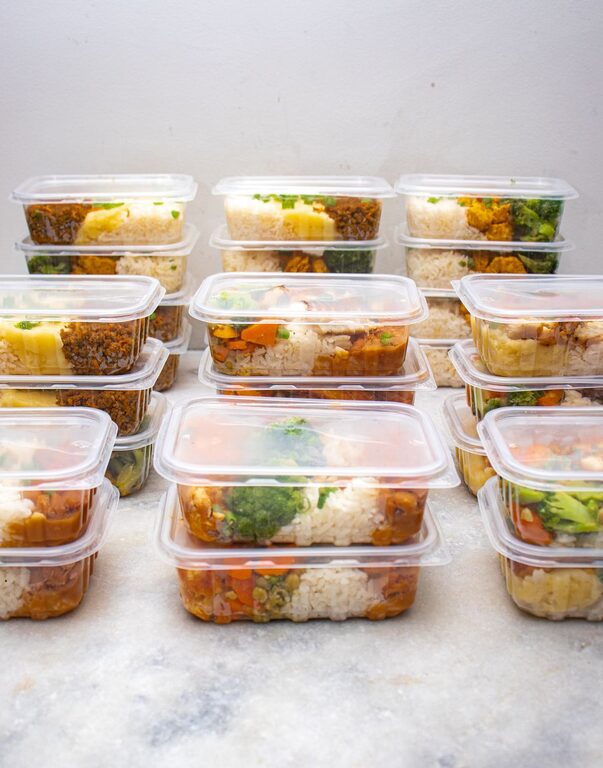
– Cook grains like rice or quinoa in batches.
– Portion out snacks in containers or bags.
– Marinate proteins in advance for added flavor.
With some prep, assembling meals becomes faster and less stressful.
Step 5: Build Balanced Plates With Ease
When it’s time to eat, use simple guidelines to build balanced meals:
– Fill half your plate with vegetables and fruits.
– Dedicate a quarter to lean proteins.
– Reserve a quarter for whole grains or starchy vegetables.
– Add a small amount of healthy fats, such as olive oil or nuts.
This visual approach helps ensure your meals contain a good mix of nutrients without complicated measuring.
Step 6: Keep Variety and Enjoyment in Mind
Eating healthy doesn’t mean being bored. Keep your meals exciting by:
– Trying new recipes or ingredients occasionally.
– Mixing cooking methods, like roasting, steaming, or grilling.
– Experimenting with herbs and spices for flavor without extra calories.
– Including occasional treats to satisfy cravings in moderation.
Enjoying your food makes it easier to stick with balanced eating habits.
Step 7: Be Kind to Yourself
No meal plan is flawless. Sometimes life gets in the way, and that’s okay. If you miss a meal or grab a less balanced option, don’t stress. Focus on your next meal and keep your overall patterns on track.
Sample Balanced Meal Ideas
Here are a few easy meal ideas that follow these principles:
– Grilled chicken with quinoa and roasted vegetables
– Black bean and vegetable stir-fry over brown rice
– Salmon with sweet potato and steamed broccoli
– Veggie omelet with whole-grain toast and a side of fruit
– Lentil soup with a mixed green salad and whole-wheat pita
These meals combine variety, taste, and nutrition—making balanced eating enjoyable and doable.
—
By planning thoughtfully and focusing on simple steps, you can create balanced meals that nourish your body and reduce stress in the kitchen. Try incorporating these tips into your routine and discover how meal planning can be a positive, manageable part of your lifestyle. Happy cooking!
About the Author