Composting at home is a rewarding way to reduce kitchen and yard waste while creating rich soil for your garden. If you’re new to composting, the process might seem complex, but with a few simple tips, you can start your own compost pile or bin easily. This guide will walk you through the basics of home composting, helping you turn everyday scraps into valuable nutrients for your plants.
What is Composting?
Composting is the natural process of recycling organic matter, such as food scraps and yard waste, into a dark, crumbly soil amendment known as compost. This process is driven by microorganisms breaking down the materials, making nutrients available for plants and improving soil structure.
Benefits of Composting at Home
– Reduces waste sent to landfills
– Decreases greenhouse gas emissions
– Enriches garden soil naturally
– Saves money on fertilizers
– Promotes healthy plant growth
Getting Started: What You Need
Before you begin, gather these essentials:
– A compost bin or designated compost area: You can buy a bin, make one from wood pallets, or simply choose a spot in your yard.
– A balance of green and brown materials: Greens (nitrogen-rich) include vegetable scraps, coffee grounds, and grass clippings. Browns (carbon-rich) include dry leaves, paper, and cardboard.
– Water: Moisture is necessary to support the microorganisms breaking down the materials.
– A pitchfork or garden fork: Useful for turning your compost to aerate it.
Step-by-Step Guide for Beginners
1. Choose a Composting Method
– Traditional Compost Bin: This is a closed bin designed to keep pests out and retain heat.
– Compost Pile: A simple mound in your yard, suitable if you have space and minimal pest issues.
– Tumbler: A rotating bin that makes turning the compost easy.
2. Select a Good Location
– Place your compost bin or pile in a well-drained, partially shaded spot with good air circulation.
– Ensure it’s easily accessible so you can add scraps and turn it regularly.
3. Learn What to Compost
#### Acceptable Items (Greens and Browns)
– Fruit and vegetable scraps
– Coffee grounds and tea bags
– Grass clippings
– Dry leaves and straw
– Shredded newspaper and cardboard
– Eggshells (crushed)
#### Avoid Adding
– Meat, dairy, and oily foods (can attract pests)
– Diseased plants or weeds with seeds
– Pet waste
– Treated wood or synthetic materials
4. Build Your Compost Pile in Layers
Start with a layer of coarse materials like twigs or straw for aeration. Then add alternating layers of greens and browns. For example:
– 3-4 inches of browns
– 1-2 inches of greens
Repeat until your pile is about 3 feet high.
5. Maintain Moisture and Aeration
– Your compost should be moist like a wrung-out sponge.
– If it’s too dry, sprinkle water.
– If it’s too wet or smelly, add more browns and turn it to increase airflow.
6. Turn Your Compost
– Use a pitchfork or garden fork to mix the pile every 1-2 weeks.
– Turning helps speed up decomposition and prevents odor by supplying oxygen.
7. Know When Your Compost is Ready
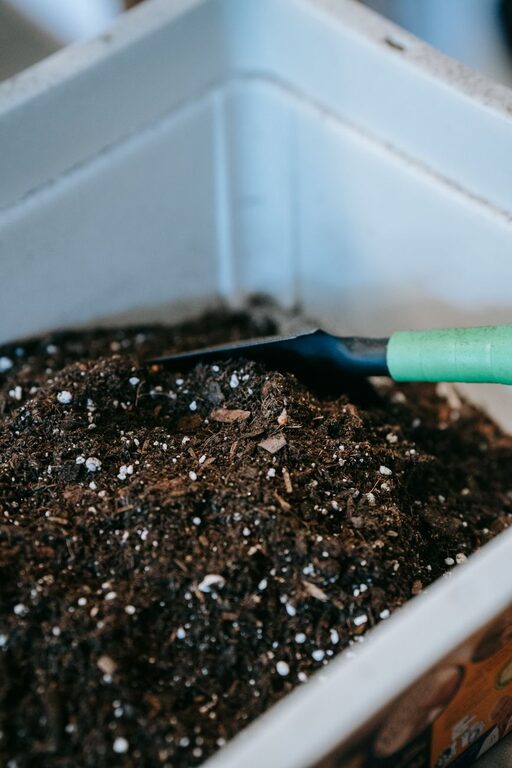
– Finished compost looks dark, crumbly, and earthy.
– It should no longer smell like food scraps.
– This process can take anywhere from 2 months to a year depending on conditions.
Tips to Avoid Common Composting Problems
– Bad Odors: Usually from too much green material or excess moisture.
– Slow Decomposition: Add more nitrogen-rich green material and turn more frequently.
– Pests: Use a closed bin or cover food scraps with brown materials.
– Fruit Flies: Bury scraps deeper in the pile.
Using Your Finished Compost
– Mix compost into garden beds as a soil amendment.
– Use it as mulch on plants to conserve moisture.
– Incorporate into potting soil for container plants.
Final Thoughts
Composting is a simple, effective way to reduce your environmental footprint and enrich your garden soil. As a beginner, focus on collecting the right materials, maintaining moisture and aeration, and being patient. With regular care, you’ll soon turn waste into black gold that helps your plants thrive.
Start small, stay consistent, and enjoy the benefits of your homemade compost!
About the Author